Thinking About a Referendum? 5 Planning Steps Public Bodies Should Take First
Jacqueline Rachev, MNA, APR
Senior Account Supervisor, Nonprofit, Business and Government
Summary: Before public bodies talk about ballot questions, tax impact or voter outreach, they need a clear plan. Here are five steps municipalities, park districts, library districts and school districts should take before pursuing a referendum.
Now that the Illinois primary election is behind us, some municipalities, park districts, library districts and school districts are starting to think about referendum planning. Aging facilities, limited space, outdated infrastructure and budget pressure can make a future referendum feel like the next logical step. But for many public bodies, that conversation starts too soon. Before any organization talks about ballot questions, tax impact or community messaging, it first needs to answer a more basic set of questions internally.
- What exactly needs to be funded?
- Why those projects?
- How much will they cost?
- What other funding sources have been considered?
- Can leadership explain all of that clearly and consistently?
- And, most importantly, does the community want those projects?
Agencies that jump ahead to the referendum conversation before they have their ducks in a row risks creating confusion and skepticism. This process is important because it gives the organization the authority to move forward, showing that leadership has done the planning, evaluated the need and considered the options before taking the conversation public.
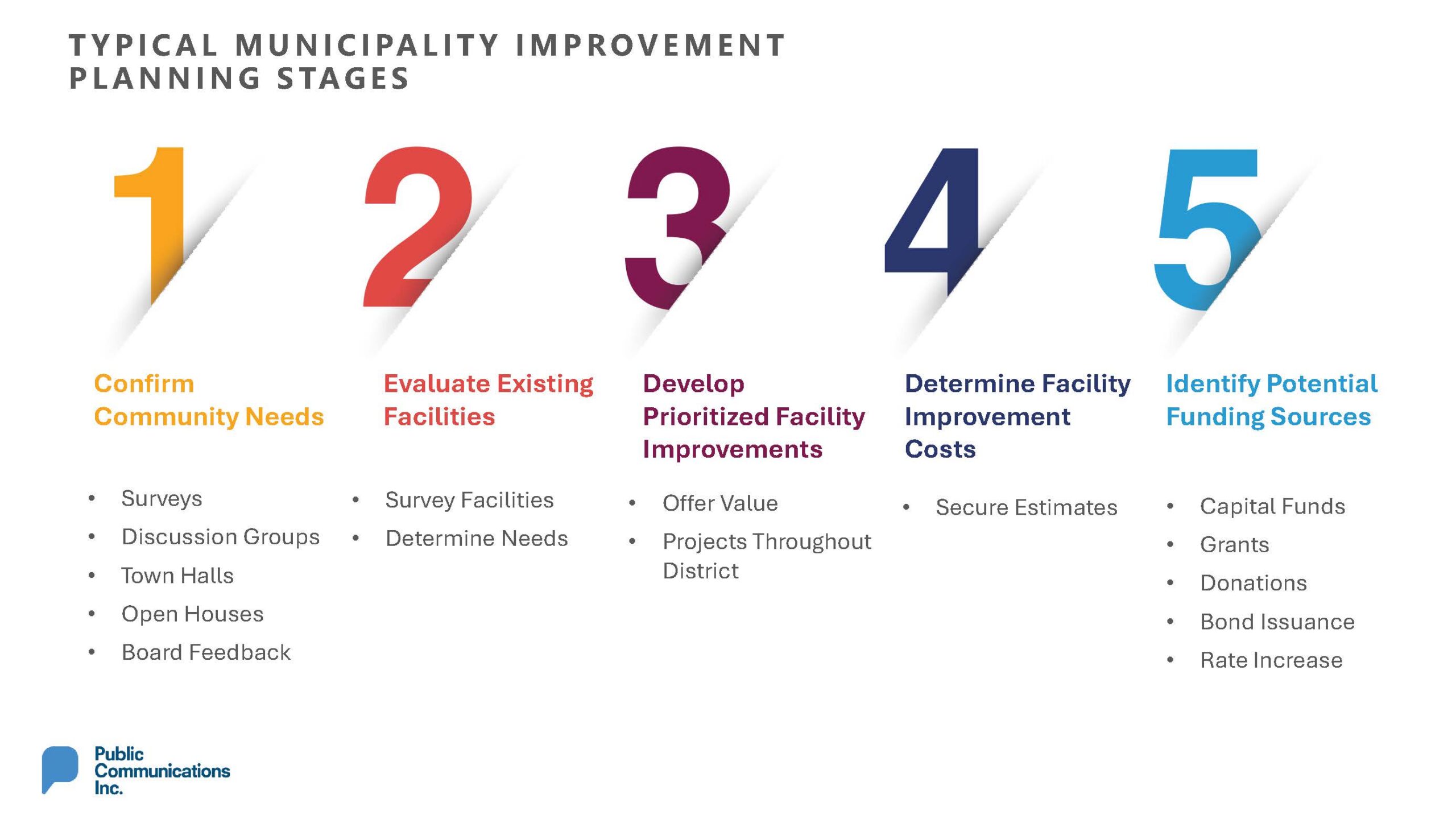
If your organization is beginning to think a referendum may be on the horizon, here are five things you should have in place first.
1. Confirm community needs before referendum planning
Before discussing projects or funding, publicly funded agencies need to understand what the community sees, values and expects.
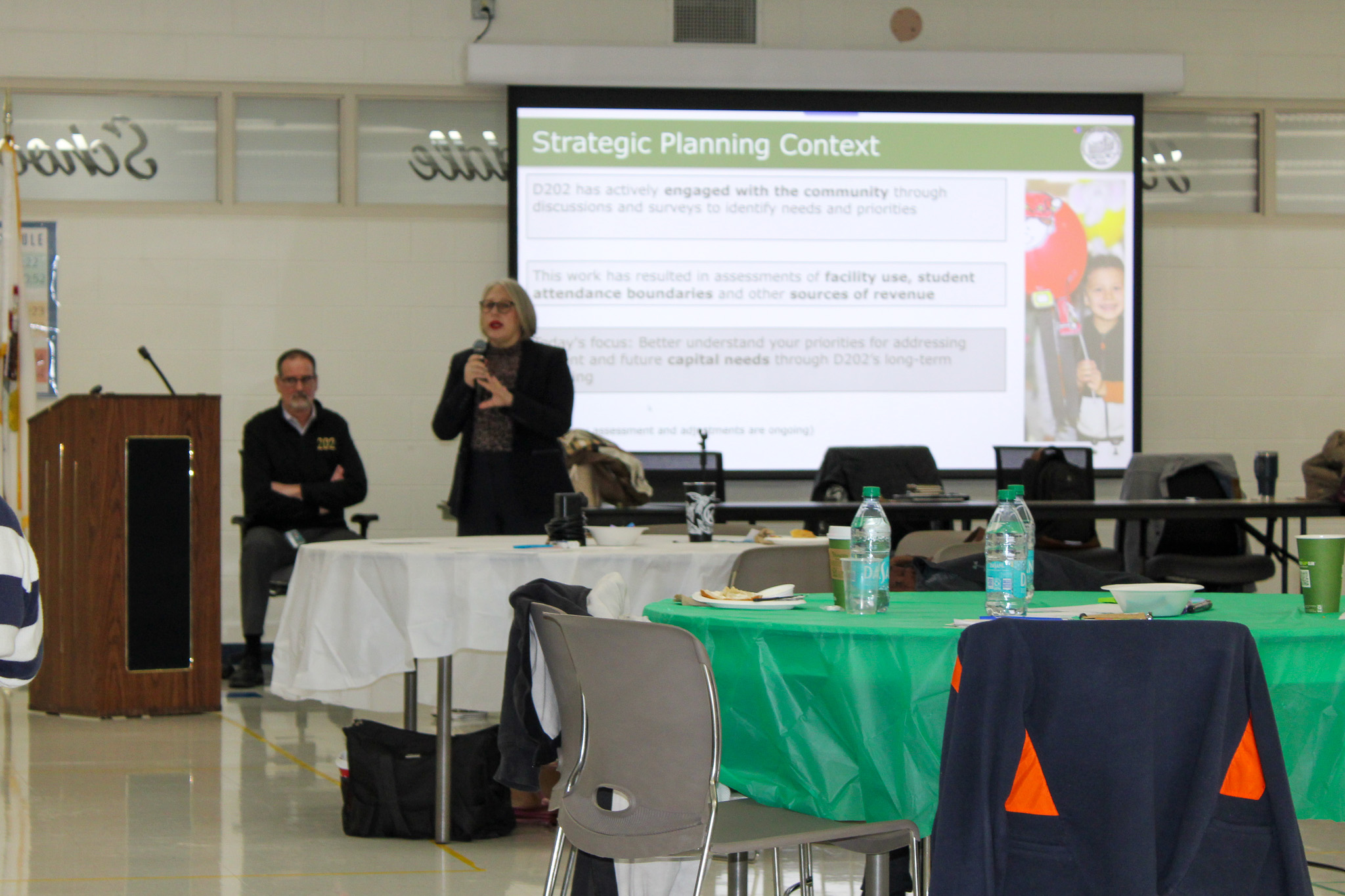
Do not assume you already know what residents care about. Strong organizations engage their communities regularly with real opportunities to listen through strategic planning activities, surveys, discussion groups, town halls and board feedback. Skipping this step in favor of internal perceptions cuts the community out of the decision-making process – undermining opportunities for added insights and support.
This step can answer:
- Is the agency highly regarded and leadership trusted?
- What issues feel urgent to leadership, but unclear to the community?
- What are resident priorities and concerns?
- Are community members willing to support funding through fees or tax increases? If so, how much feels appropriate?
2. Evaluate existing facilities and document needs
Once you have a clearer picture of community needs, the next step is to look honestly at the current state of your facilities.
Most public bodies already do this work as part of regular comprehensive strategic and master planning. The result is a credible, documented assessment of what is falling short and why.
This phase should help leadership distinguish between:
- Immediate and longer-term needs and nice-to-haves
- Operational challenges and community-facing issues
- Deferred maintenance and strategic investments
- Anecdotal concerns and documented deficiencies
3. Prioritize projects that matter most
Not every issue can or should be addressed at once. Once community needs are better understood and facilities have been evaluated, the next step is to determine which improvements matter most.
This is where agencies move from a broad list of needs to a focused, prioritized set of projects. After careful review and discussion, leadership and board members should identify the projects that address the biggest needs and provide the greatest value to the most stakeholders.
A prioritized plan should help answer:
- Which projects are essential now and which can wait?
- Which improvements solve immediate problems versus long-term challenges?
- Does the plan reflect both organizational need and community value?
- Does the project list address needs throughout the service area and benefit the most stakeholders?
This is also the point where leadership builds the authority to stand behind the plan publicly. A referendum conversation is much stronger when leadership can explain not only what it wants to fund, but why those projects were prioritized over others.
4. Determine realistic project costs
Once priorities are clear, the next step is determining the costs of improvements.
Agencies that approach stakeholders to fund projects without a reliable estimate risk losing credibility with their community. Residents expect organizations to share those estimates clearly so they can understand the value of the proposed improvements. If costs are vague, incomplete or constantly shifting, it becomes harder for leadership to answer questions confidently and harder for the public to trust the process.
This phase should help answer:
- What will each improvement realistically cost?
- Are there ways to phase work over time?
- What cost assumptions need to be pressure-tested?
- Are there inflation, construction or operational factors that may affect the total?
This step is not just about budgeting. It is about credibility. Once voters approve a funding request through a ballot measure, the public agency is held to that amount and those identified projects. If costs rise, the agency will need to cover the difference without additional public support.
5. Identify funding sources before considering a tax increase
Only after needs, priorities and costs are clearly defined should a public body move fully into funding strategy.
A bond request or tax levy increase approved through a referendum may be options, but they should not be the first conclusion. Agencies should first evaluate what can be covered through capital funds, grants, partnerships, donations or reserves. In some cases, bonds or rate increases may be needed. Often, the answer is a combination of funding sources.
This phase should help answer:
- What funding sources are already available?
- What gaps remain after those sources are considered?
- Is voter approval necessary?
- Can leadership clearly explain why this funding approach is the right one?
When public bodies can demonstrate that they explored multiple paths — and committed their own resources to projects where possible — before arriving at a tax increase, they are in a much stronger position to build understanding and trust.
The time to get ready for a referendum is now
Preparing for a potential referendum takes time. In most cases, the work begins well before any ballot question is filed, as leadership, board members and staff identify future needs and plan for the long term.
If your organization is beginning to think a referendum may be on the horizon, now is the time to get clear on what needs to be funded, why it matters, what it will cost and how leadership will explain it. This process gives leadership the authority to stand behind the plan publicly.
But even the strongest plan will fall short if the community does not understand it. In our next post, we’ll look at how public bodies can begin building trust through research, message development and community engagement long before voters head to the ballot box.
Navigating a potential referendum starts long before a ballot question. Our team can help you evaluate your needs, align leadership and develop a clear, credible path forward. Let’s talk.
FAQ
When should a public body start planning for a referendum?
Planning should begin well before any ballot question is filed. Public bodies should first define needs, evaluate facilities, prioritize projects, estimate costs and review funding options.
What should a municipality, park district, library district or school district do before pursuing a referendum?
Before pursuing a referendum, public bodies should confirm community needs, evaluate existing facilities, develop prioritized improvements, determine realistic costs and identify potential funding sources.
Why is planning important before pursuing a referendum?
Planning is important because it gives leadership the authority to move forward. It shows that the organization has evaluated the need, considered the options and built a defensible path before taking the conversation public.
Jacqueline Rachev, MNA, APR, is a senior account supervisor at Public Communications Inc., where she develops and leads community engagement and communications strategies for park districts, school districts and other public sector organizations. She has more than 25 years of experience helping public agencies strengthen trust, navigate complex issues and engage residents on matters that shape their communities.