
Collaboration Wins: How Multi‑Agency Communications Turns Scientific Cooperation into Global Headlines
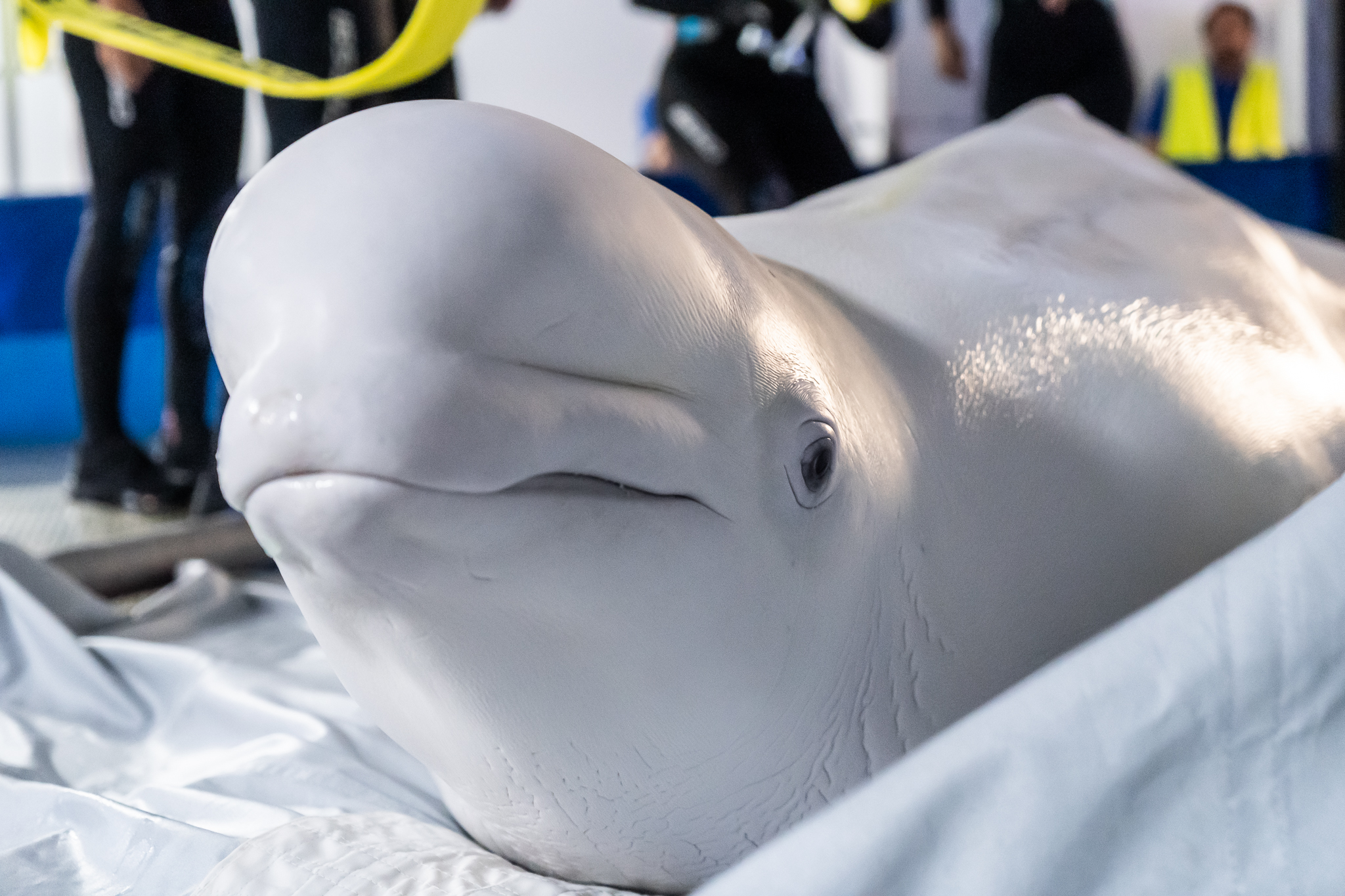
Featured Image Credit: © Oceanogràfic València
By Sharon Dewar
Why Collaboration—Not Competition—Captures the World’s Attention
In conservation science, collaboration is not a buzzword; it is the operating system. Biologists swap datasets, zoos exchange critical genetics, and government agencies remove barriers that a single institution could never tackle alone. Yet when it comes to public relations, many of these same organizations retreat into silos—racing to beat partners to the podium or spotlighting only their role. The result? Fragmented messages, duplicated effort, and media stories that don’t land because they feel too small.
PCI’s 60‑plus years of communications leadership have shown that aligned, multi‑agency storytelling multiplies reach, credibility, and resilience. When partners present one unified narrative, reporters gain a single source of truth, audiences see the full scope of the work, and every brand rises on the collective tide.
The Cost of the Silo Mind‑Set
- Shrinking Audiences – A one‑institution pitch limits exposure to the same followers and local outlets.
- Message Drift – Competing statements create confusion and open space for critics.
- Media Fatigue – Journalists covering the same topic receive multiple half‑stories instead of one compelling package.
- Lower Trust – Stakeholders notice when credit is hoarded; transparency suffers.
Conservation Is Collaborative by Nature—Your Communications Should Be Too
Whether reintroducing red wolves or restoring coral reefs, conservation wins come from cross‑disciplinary teams. PR should mirror that structure. Shared planning, clear roles, and coordinated rollouts:
- Broaden the canvas. Emphasize the full partnership so the media can see the scale.
- Align on objectives and vulnerabilities. Develop one risk matrix so no one is blindsided.
- Craft joint key messages. Voice, tone, and data points match across spokespeople.
- Stage embargoed assets. High‑quality visuals and FAQs shipped to top journalists build anticipation and control accuracy.
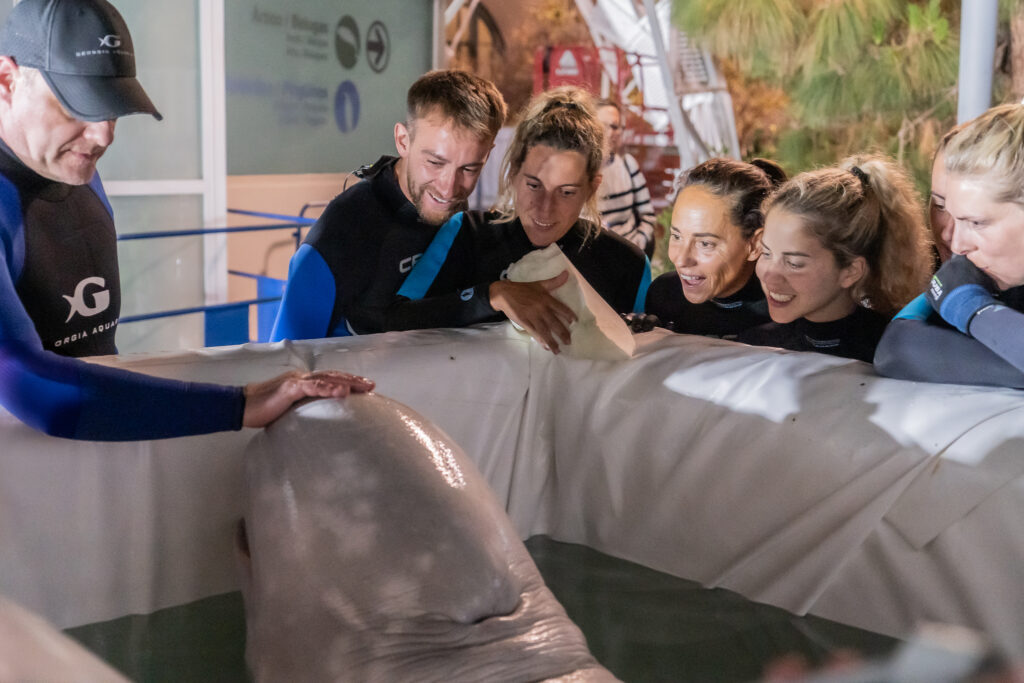
Oceanogràfic’s marine mammal caretakers and one of Georgia Aquarium’s experts © Oceanografic Valencia
Case Study: Operation Beluga—Coordinating the Most Complex War‑Zone Wildlife Rescue on Record
One year ago, a male beluga (Plombir) and a female beluga (Miranda) languished under artillery fire in Kharkiv, Ukraine. An international coalition—Oceanogràfic València, Georgia Aquarium, SeaWorld, and Ukrainian caregivers—mobilized a daring 2,400‑kilometer evacuation by truck and charter jet. It was a complex and risky international rescue operation that traversed bomb‑scarred roads, a border crossing, and a five‑hour flight to Spain’s east coast.
PCI’s Role
- Unified Crisis Strategy – We convened five institutions for scenario planning, identified reputational threats (animal mortality, activist backlash, geopolitical sensitivities), and wrote messaging for every outcome, including worst‑case.
- Real‑Time Command Center – PCI stayed in contact with rescuers, updating media and media materials as checkpoints were cleared.
- Embargoed, Visual‑First Pitch – Pre‑selected global reporters received behind‑the‑scenes footage from the Moldova border and Chisinău airport under strict embargo. Visuals dropped minutes after the whales reached Oceanogràfic’s medical pool.
- Local‑Plus‑Global Rollout – Simultaneous press releases hit wires in Spain, the U.S., and partner home markets, ensuring hometown pride while reinforcing the collective mission.
The Results
- 1,000+ positive media placements across broadcast, print, and digital, including top-tier media like the New York Times, NBC Nightly News, ABC News, BBC, NPR, Reuters, People Magazine, and dozens of Spanish and Ukrainian outlets.
- Message Fidelity – Every story credited all three lead partners; none were left in the footnotes.
- Stronger Leadership Confidence – Executives could focus on animal welfare while trusting that PCI managed the narrative.
Most importantly, the world saw collaboration—not competition—as the hero of the story. The whales’ survival underscored what is possible when institutions lift each other up.

One of the belugas rescued from a Kharkov aquarium © Oceanogràfic València
Five Takeaways for Your Next Joint Initiative
- Start at the Strategy Table Together. Bring communications leads into early planning when working on scientific or other collaborations; the story architecture should evolve with the project.
- Map Risks Collectively. Shared scenario planning prevents finger‑pointing if challenges arise.
- Agree on the Data. One factsheet, one metrics dashboard—no discrepancies for reporters to exploit.
- Practice Shared Spokespersonship. Rotate interview slots so every partner’s expertise shines.
- Celebrate Wins as a Team. Post‑campaign, publish a joint impact report highlighting how collaboration multiplied outcomes.
Looking Ahead
As we celebrate the first anniversary of Operation Beluga, Plombir and Miranda continue to thrive under expert care—living proof that coordinated action saves lives. In an era when biodiversity loss accelerates and donor dollars shrink, the smartest path forward is together.
If your organization is embarking on a multi‑partner mission—whether translocating endangered amphibians or launching city‑wide sustainability goals—PCI stands ready to build the unified communications engine that will carry your story around the globe.
Let’s write the next triumph—together.